Impulsando el futuro verde de Corea: las soluciones integradas de almacenamiento de energía de próxima generación llegan a hogares y empresas
2026-07-15
Seúl 15 de julio de 2026
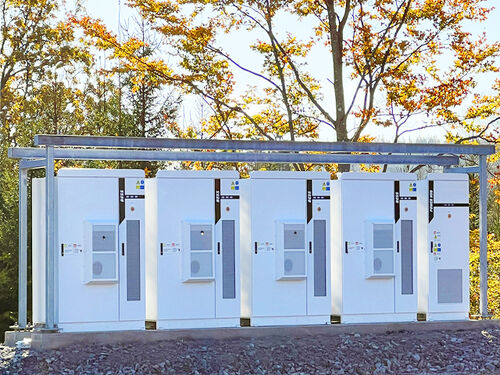
Mientras Corea del Sur acelera su transición hacia una red de energía renovable dominante,Una nueva ola de soluciones de almacenamiento de energía de baterías al aire libre integradas transformará la forma en que los hogares y las empresas comerciales gestionan su consumo de electricidad. Industry experts and early adopters gathered today at the COEX Convention Center in Seoul to explore the latest advancements in energy storage technology — innovations that promise to lower electricity bills, mejorar la estabilidad de la red y acercar a Corea del Sur a sus ambiciosos objetivos de energía renovable para 2030.
Un mercado preparado para un crecimiento explosivo
El mercado de los sistemas de almacenamiento de energía (ESS) de Corea del Sur está experimentando un restablecimiento estructural.0 GW de capacidad energética y 8 a 12 GWh de capacidad energética solo en 2026, lo que se traduce en un valor de mercado de USD 2,5 a USD 3,8 mil millonesEl segmento residencial también está ganando un impulso notable, con instalaciones anuales estimadas entre 80.000 y 110.000 unidades, valoradas en aproximadamente USD 450 a 550 millones..
Este crecimiento está impulsado por políticas gubernamentales agresivas.Energía y Medio Ambiente han firmado recientemente un memorándum de entendimiento con nueve empresas seleccionadas, entre ellas LG Energy Solution, SK Eternics, y Korea Electric Power Corporation KDN para el Proyecto de Apoyo a la Construcción del ESS basado en IA para el año 2026La iniciativa tiene como objetivo añadir 182.4 megavatios de instalaciones de energía solar a la red mediante la construcción de ESS con una potencia máxima de 128 megavatios y 640 MWh de capacidad de almacenamiento en 32 líneas de distribución en todo el paísSe ha asignado un presupuesto de 558.600 millones de wones para los próximos cinco años..
Satisfacer las necesidades geográficas y económicas únicas de Corea
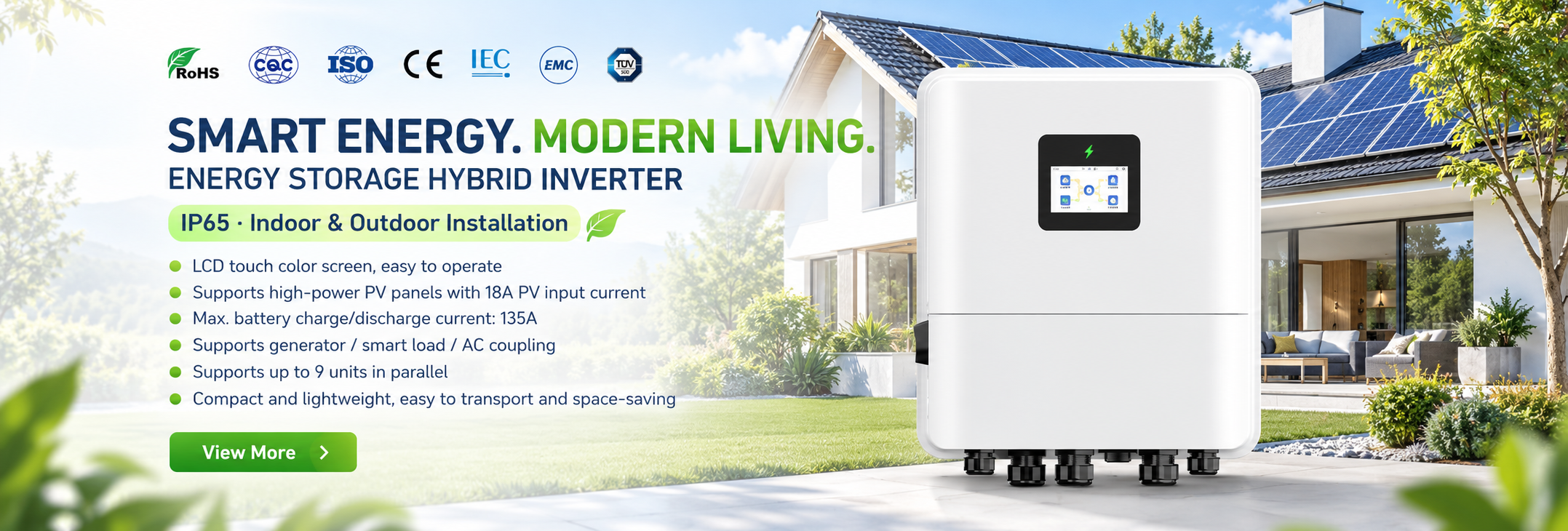
El terreno montañoso de Corea del Sur y su extensa costa presentan oportunidades y desafíos para la integración de las energías renovables.cuando la capacidad de energía renovable ya esté saturada, se enfrentan a una importante congestión de la redLas nuevas soluciones de almacenamiento integrado abordan estos desafíos de frente con configuraciones flexibles que admiten operaciones en red, fuera de red y acopladas a la energía fotovoltaica.
Para los hogares de los complejos de apartamentos densamente poblados de Seúl, los sistemas permiten la integración de balcones y PV, lo que permite a los residentes almacenar la energía solar generada durante el día para su uso después del atardecer.Reducción efectiva del consumo de electricidad en horas puntaPara las empresas en los parques industriales de Chungcheongnam-do, donde el gobierno provincial ha lanzado programas de subsidios para instalaciones solares y ESS,Estas soluciones ofrecen una vía para reducir los costes operativos y acelerar los compromisos RE100.
Reducción de los costos de la electricidad a través del afeitado de pico
Con el precio de la electricidad de Corea del Sur en función de la hora de uso, las tarifas en las horas pico pueden ser significativamente más altas que las tarifas fuera de las horas picoPara los consumidores residenciales cuyo consumo mensual de electricidad excede los 1.000 kilovatios-hora, la tarifa de uso durante los meses de verano y invierno alcanza los 709,4 won por kilovatios-hora.. Energy storage systems allow users to charge batteries during low-cost nighttime hours and discharge during expensive peak periods — a practice known as peak shaving that can dramatically reduce monthly electricity bills.
"La economía es convincente", dijo un analista de energía que habló en el evento de hoy.tanto los propietarios de viviendas como los empresarios buscan soluciones que les permitan controlar sus costes energéticosEstos sistemas de almacenamiento integrados ofrecen exactamente eso.
Seguridad y fiabilidad: una prioridad
A raíz de los incidentes de incendios del ESS en el pasado, las autoridades surcoreanas han endurecido significativamente las normas de seguridad.especialmente en lo que respecta a las normas de protección contra incendios para los sistemas de baterías de iones de litioLa nueva generación de armarios de almacenamiento aborda estas preocupaciones con sistemas automáticos de extinción de incendios FM200 (con Novec1230 o opciones de aerosoles disponibles), protección exterior robusta con clasificación IP,y una gestión térmica avanzada que combina aire acondicionado y refrigeración forzada de aire, garantizando un funcionamiento fiable incluso en las temperaturas estacionales extremas de Corea, que oscilan entre -20°C y 50°C..
Las pilas de la batería están certificadas según IEC 62619, UL1973, y UL9540A, mientras que el sistema de conversión de potencia cumple con G99, EN50549, AS4777.2, y las normas VDE4105 que proporcionan los más altos niveles de seguridad y cumplimiento para el mercado coreano.
Configuraciones flexibles para cada necesidad
Los gabinetes de almacenamiento integrados soportan una amplia gama de aplicaciones:
En la red + PV:Carga y descarga controladas por EMS para el afeitado pico, reduciendo las facturas de electricidad mientras se maximiza el autoconsumo solar.
En la red + Fuera de la red + PV:Intercambio sin interrupciones en 20 milisegundos durante los cortes de energía, garantizando un suministro de energía ininterrumpido a las cargas críticas del back-end.
Las estaciones de recarga de la red + fotovoltaica:Coordinación inteligente entre pilas de carga fotovoltaica, almacenamiento de energía, servicios públicos y de CC, ideal para la creciente infraestructura de vehículos eléctricos en toda Corea.
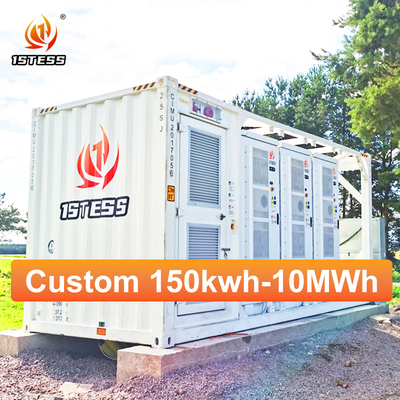
Expansión flexible:Soporte para hasta tres gabinetes de baterías en paralelo, con conexiones paralelas en la red prácticamente ilimitadas, lo que permite que los sistemas aumenten de 46 kWh a más de 207 kWh a medida que crecen las necesidades de energía.
Una visión para la independencia energética
Dado que Corea del Sur tiene como objetivo aumentar la generación de energía renovable al 21,9% de la electricidad total para el año 2030 de aproximadamente el 9% actual el papel del almacenamiento de energía se vuelve cada vez más críticoCon la demanda global de ESS que crecerá de 312 GWh en 2024 a 847 GWh en 2028, la industria de baterías de Corea del Sur está girando agresivamente hacia soluciones de almacenamiento..
Para los residentes de la isla de Jeju, donde la energía renovable tiene como objetivo alcanzar más del 70% para 2035,Estos sistemas de almacenamiento representan algo más que un simple ahorro de costes, son infraestructuras esenciales para la independencia energética.Para los propietarios de pequeñas empresas en las zonas industriales de Busan, ofrecen protección contra el aumento de los costos de electricidad y las interrupciones del suministro.permiten una energía fiable para las operaciones agrícolas, reduciendo al mismo tiempo la dependencia de la red.
Se trata de empoderar a las personas, añadió el analista. Ya sea que usted sea propietario de un apartamento de gran altura o gerente de una fábrica en un complejo industrial,tener control sobre cuándo y cómo se utiliza la electricidad ya no es un lujo es una necesidad.
Mirando hacia el futuro
Con el plan de licitación a largo plazo del gobierno que apunta a 55 GW de energía eólica marina para 2035y las inversiones en curso de 321 mil millones de KRW en la modernización de la red distribuida, la demanda de soluciones de almacenamiento de energía fiables, seguras y escalables sólo se intensificará.Los gabinetes de almacenamiento de energía de baterías al aire libre integrados que llegan hoy al mercado coreano representan un paso significativo hacia un sistema de almacenamiento de energía más resistente., sostenible y asequible para todos.
Leído más


 ¡Su mensaje debe tener entre 20 y 3.000 caracteres!